How to Choose Resin Patio Furniture for Year-Round Weather
Patio furniture has a harder job than most indoor pieces. It sits in strong sun, absorbs rain, collects dust, and may face cold snaps or freezing ground. Choosing well means looking beyond color and shape. The aim is to match the furniture to the weather it will actually face, then check the small construction details that decide how it ages.
Start with the weather your patio really gets
Before comparing chairs, tables, benches, lounges, swings, or dining sets, take a clear look at the site. Note where sun lands at midday, where rain gathers, and whether water sits near the base of furniture after a storm. A sheltered courtyard and an exposed deck call for different choices, even if both look similar in a catalog.
UV stability matters most where furniture stays in bright sun for long hours. Moisture exposure matters more in shaded corners that dry slowly, around pools, or in places with frequent rain. If temperatures fall below freezing, freeze thaw cycles can stress weak materials, joints, and any trapped water. The first step is not finding the toughest-looking piece. It is identifying which weather pattern will do the most work on it.
Also think about how the furniture will be used. A dining set may stay out for long meals and need easy cleaning. Chaise lounges may be moved during the day. Commercial patio furnishings may see constant use and need a practical balance of comfort, weight, and resilience. These habits affect the best material and design as much as the climate does.
Choose a material that suits the exposure
Resin outdoor furniture is a natural fit for many patios because it can be made to handle outdoor conditions without the same daily care that wood often needs. Resin pieces are available in many forms, from chairs and dining pieces to benches, tables, lounges, and swings. That range makes it easier to keep a consistent look across a seating area.

When comparing options, ask what the material is designed to resist. Sun exposure can fade or weaken surfaces that lack suitable UV stability. Damp conditions can encourage mildew on cushions or grime on textured surfaces. Cold weather can be harsher on parts that trap water or flex under stress. Weather resistance is not one single feature. It is the result of material choice, finish, shape, and construction working together.
Resin has another practical advantage for changing weather: it can be cleaned with a routine that stays simple. Smooth surfaces tend to shed dirt more easily than deep grain. That matters after pollen season, heavy rain, or dusty wind. If a piece has woven texture, slatted details, or carved areas, look closely at those sections because they can hold debris even when the main surface looks clean.
Check drainage, shape, and water flow
Water is often more troublesome than sunlight because it finds seams, low points, and joints. Look for drainage holes in seats, table tops, and the underside of pieces that can collect rain. Open slats and raised patterns can help water move away. Flat areas that hold puddles may need more wiping after rain, even if the material itself is weather tolerant.
On chairs and lounges, check the angle of the seat and back. A slight slope helps rain run off. On tables, look at the rim and any recessed design. A table that traps water around the edge can leave marks or make surface cleaning more frequent. Benches and swings deserve the same attention, especially where water can sit along long horizontal surfaces.
Pay attention to feet and contact points. Furniture that stands in standing water may stay damp longer at the base. Adjustable feet can help on uneven paving, but they should sit firmly without wobble. A stable piece is safer and usually suffers less strain at the joints. If a patio drains poorly, improving the ground slope or using a sensible layout may help more than changing every piece of furniture.
Inspect joints, frames, and moving parts
Changing weather puts repeated stress on connections. Heat expands materials, cool air contracts them, and rain or grit can work into seams. Look at how legs meet seats, how backs attach, and how tables fold or extend. Clean lines and snug fittings usually suggest more thoughtful construction than loose gaps or rough edges.
For swings and rocking pieces, hardware deserves extra care. Check that hanging points and pivots look secure and that the design allows movement without rubbing against sharp edges. Any damaged support, cracked connector, or unstable frame should be taken out of use. Repairs that affect structural safety are a job for a qualified professional rather than a quick household fix.
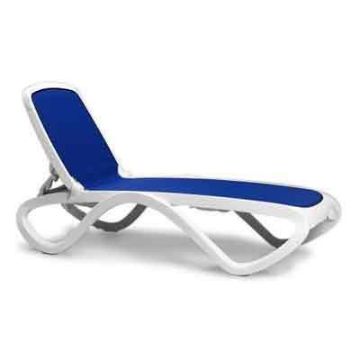
Some pieces include cushions, slings, or fabric parts. These can add comfort but change the care routine. Outdoor fabric should be able to dry after rain, and cushions should not stay compressed and wet for days. Removable covers make cleaning easier, but they also need somewhere dry to go during rough weather. If low upkeep is the priority, choose resin seating with fewer soft parts.
Match the piece to the way you use the space
A patio used for quiet mornings may need a bench, a couple of chairs, and a small table. A space used for meals needs dining pieces with comfortable seating and a table that can be wiped down often. Lounges suit long sunny afternoons, while swings can make a shaded corner feel inviting. The best selection usually starts with the main activity, then adds pieces that support it.
Scale matters too. Large furniture can make a small patio feel crowded and trap damp air around seating. Slimmer chairs and open bases let the space breathe. In a windy spot, lighter pieces may shift, so weight and shape become more important. In a shaded spot, darker surfaces may stay damp longer after rain, while lighter surfaces can show dirt more clearly. Neither choice is wrong, but each changes the maintenance rhythm.
Outdoor-resin-furniture is one place where the category can be viewed across many patio needs, including chaise lounges, chairs, dining pieces, benches, swings, tables, and commercial patio furnishings. When narrowing a shortlist, compare pieces by the job they do, not only by how they look beside one another. A dining chair used every evening has different demands from a lounge pulled out on warm weekends. Outdoor-resin-furniture also makes it useful to think in terms of a coordinated outdoor layout rather than isolated purchases.
Plan care before the first season of use
Even durable furniture lasts longer with a simple routine. Brush off loose dirt before rain, especially from crevices and drainage holes. Clean spills early so they do not settle into textured surfaces. Use gentle cleaning methods that suit the material, and avoid harsh tools that scratch the finish. Surface cleaning is not about making furniture look new every week. It is about stopping grit and stains from becoming part of the surface.
Protective storage can extend the useful life of cushions, small accessories, and any piece that is vulnerable to severe weather. A covered porch, shed, or dry indoor space can help during long wet spells or freezing periods. If full storage is not practical, use fitted covers that allow air to move and do not trap moisture against the furniture. Covers that stay damp can cause more trouble than they prevent.
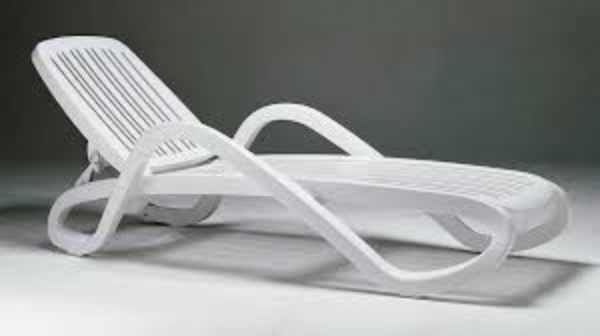
Seasonal checks are worth keeping simple. Look for cracks, loose fittings, faded areas, sticky pivots, or feet that no longer sit flat. Clean drainage openings before they clog. Move furniture occasionally so one side does not take all the sun. Small adjustments made early usually prevent larger problems later.
Make the final choice with both comfort and endurance in mind
Good weather resistant patio furniture should feel right on the day it arrives and keep making sense after months of sun, rain, and temperature change. Shortlist pieces that fit the space, suit the main activity, drain well, and have sturdy connections. Then compare finishes, colors, and cushion choices with the amount of care you are willing to give.
The decision becomes easier when the trade-offs are clear. A heavily cushioned lounge may feel luxurious but need more attention after rain. A smooth resin dining set may be simpler to maintain but less soft for long sitting. A bench can serve a small patio without crowding it, while a larger table may suit frequent gatherings. Weather resistance, comfort, and practicality should point in the same direction before a purchase feels settled.
Ends · PATIOWAYS